How to Use Military Strategy to Build Better Habits
Sun Tzu was a military strategist in ancient China, traditionally credited with The Art of War. Whenever possible, the book advises winning without fighting or, at the very least, winning the easiest battles first.
He wrote, “In war, the victorious strategist only seeks battle after the victory has been won.” He advised troops to “make your way by unexpected routes and attack unguarded spots.” And he further stated, “Military tactics are like water. For water, in its natural course, runs away from high places and hastens downwards. So, in war, the way is to avoid what is strong and strike at what is weak.”
These teachings extend beyond the field of battle because they ask us to look at the conditions surrounding a goal. Where is the useful opening? What makes the next move easier?
Let's talk about how to apply that idea to our daily lives.
The battle for better habits
Too often, we try to build new habits, achieve big goals, and otherwise “win at life” through sheer force. We fight our battles directly and attack the enemy, in this case our bad habits, at the point where they are strongest.
For example:
- We try to follow a strict eating plan while we are out to dinner with friends.
- We try to write a book in a noisy environment.
- We try to change what we eat in a house filled with the food we are trying to eat less often.
- We try to do our homework with the television on.
- We try to concentrate while using a smartphone filled with social media apps, games, and other distractions.
And when we fall off course and fail to achieve our goals, we blame ourselves for “not wanting it badly enough” and for not having enough willpower. In many cases, the strategy itself deserves a closer look.
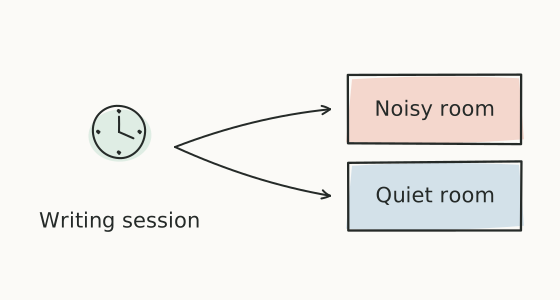
A military leader can begin by winning easier battles and improving their position. They can wait for a more favorable opportunity before taking on a well-defended opponent. The same question is useful here: why start new habits in an environment that makes progress difficult?
Sometimes we have very little choice about the conditions. Where we do have a choice, we can make easy improvements first, build our strength, and establish a better position for the more difficult changes.
Adapting the strategy
Let's adapt a few of Sun Tzu's teachings to building better habits.
“You can be sure in succeeding in your attacks if you only attack places which are undefended.”
For a habit, the useful idea is to begin with an action that is easy to maintain. A small behavior you can repeat gives you somewhere to start.
“He will win who knows when to fight and when not to fight.”
For behavior change, that means choosing which habits to start with and which ones to leave for later. Trying to change everything at once can spread your attention very thin.
“A clever general, therefore, avoids an army when its spirit is keen, but attacks it when it is sluggish and inclined to return.”
For our purposes, look for a situation where the unwanted habit has less of a hold. If the television keeps taking your attention, choosing a different room changes the situation before you begin.

Choose easier ground
Strategy matters. What looks like an unwillingness to change can be a consequence of trying to build good habits in a difficult environment.
If you are trying to read more books, move to a room with fewer distractions. A television, video games, and Netflix within reach give you several other things to do the moment the book becomes difficult.
If you're new to exercise, start with a manageable change suited to your ability. A workout program for college athletes asks a lot of someone who is still getting used to training.
If you're surrounded by people who tear down your goals, then work on your projects in a different location or reach out to like-minded people.
If you're trying to stick to a writing habit when your kids are home from school and your house is in chaos, then try it at a different time. Switch to a time of less resistance.