4 Reasonable Ways to Achieve Overnight Success
Most of the time, I think our constant quest for overnight success is a trap.
We get so obsessed with the outcome that we overlook the repetitions we need to get there. We become so focused on short-term results that we forget to build the long-term habits that would help us continue.
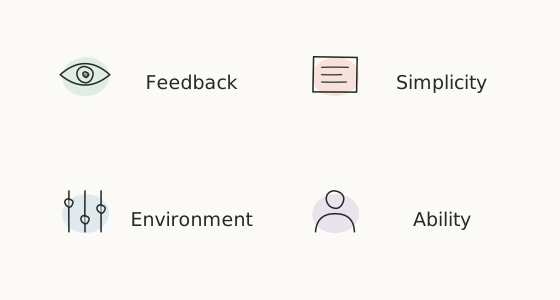
There are a few strategies, four of them at least, that can help us make progress more quickly while building those habits. They improve our ability to take useful action consistently.
1. Rapid feedback
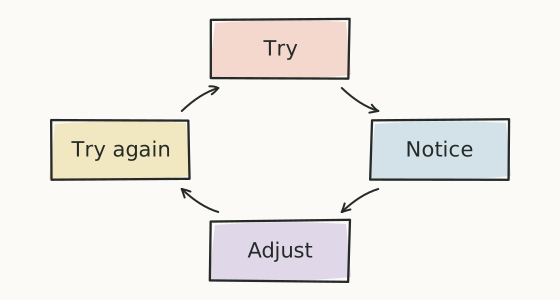
The more immediate the feedback that you get, the quicker you can make adjustments to your behavior.
Ben Altman described a client who wanted to improve his posture. That's a hard thing to do because typically the only feedback you get on posture is if someone tells you that you are slouching or if you see yourself in the mirror. That's very slow and inconsistent feedback.
His client stood in an upright position and placed a piece of tape across his shoulder. When he slouched, the tape pulled just enough on his shirt so that he noticed the change. Suddenly, he had immediate feedback whenever his posture changed.
Awareness is a useful beginning. If you aren't aware of a habit, it is difficult to change it. A timer, a tally on paper, or a quick look at the work you just did can give you feedback you can act on.
Choose feedback that relates to the thing you want to improve. A number that changes quickly still needs to tell you something useful.
2. Simplicity
One useful productivity strategy is to eliminate the things that derail your productivity. If you live a life with fewer distractions, it becomes much easier to take effective action.
The Pareto Principle, often called the 80-20 rule, describes how a relatively small share of effort may produce a large share of the result. The numbers are a shorthand. The useful question is which parts of your work contribute the most.
Most of the time, people bring this up to encourage focusing on the most valuable tasks. Even when you know what those are, you can still waste time on everything around them.
You can know the most important task for the day and spend the morning doing the seventh-most important thing first.
Look for the tasks and distractions you can remove. When there are fewer things pulling you away, it becomes easier to stay focused.
3. Environment
The world around us shapes our behavior. Consider the home you live in, for example. There are many cues built into your home, probably hundreds, that shape your behavior in small ways.
Is there food sitting on the counter? You're more likely to pick it up and eat it. Do your couches and chairs face the television? You're more likely to sit down and turn it on.
The same principle can help with things you want to do. Are your running shoes and gym shorts laid out the night before? It is easier to get dressed and go for a run. Do you spend time with people who exercise regularly? You get to see activity as an ordinary part of life.
Every environment encourages some behaviors and makes others more difficult. The people and places that surround us fill our days with little cues and triggers that can make our habits easier to follow or harder to build.
Look at the environment around the habit you want. Is it helping you begin? What is sitting within reach? What happens as soon as you enter the room?
4. Ability
If your skills in a particular area are stronger, making sustained progress is often easier.
For example, if you can already do a hundred pushups in a row, then developing a habit of doing ten pushups per day seems relatively easy. If your maximum is ten pushups in a row, then doing ten pushups per day is far more taxing.
This is also where your existing strengths matter. Height changes the experience of playing basketball. Experience changes the effort required to write an article or cook a meal. The same routine can ask very different things of different people.
Choose a beginning that fits your current ability. You can develop it through practice and increase the commitment as you learn.